唯一由默片拍到現在的導演,迪‧奧利菲拉可說是活動電影博物館了。大師一百歲又生猛出招啦!這一招是個完美無瑕的道德故事,玩卡夫卡式的寓言不止,更曲筆擺出華麗古典版布紐爾格局。倒楣的馬加里奧一見鍾情對窗金髮女,但當美人被追到手,情卻隔了幾重山:叔父的反對、經濟的拮据,最後竟是金髮女的問題。生命果然是個謎。最精彩的是爐火純青的畫面,伺機同你暢遊葡萄牙文化藝術,文學金句、音樂、名畫……讓你飽覽而回。
O incansável Manoel de Oliveira, com mais de 100 anos, começou a sua carreira no tempo do cinema mudo. O seu filme mais recente, uma adaptação de um conto do século XIX, é, sem dúvida, um dos mais interessantes dos últimos anos. A premissa é simples: num comboio, um homem conta a sua história de amor e desilusão a uma atenta dama de meia-idade. O seu objecto de desejo? A rapariga loura que dá o nome ao filme. Embora em estilo de fábula, breve e divertida, o significado intelectual torna esta surpreendente estória tão moderna quanto anacrónica.
The tireless Manoel de Oliveira, now over 100 years old, can trace his directorial career back to the silent era. His newest film, an adaptation of a 19th century short story, is easily one of his most enjoyable in recent times. The premise is simple: while on the train, a man recounts his tale of love and woe to a receptive middle-aged lady. His object of desire? The titular blond-haired girl. Though fable-like, droll and brief, the intellectual heft makes this surprising tale both modern and anachronistic.
Justine Juel Gillmer(《地球百子》《荒原》)编写剧本,基于哈夫特之子Alan Scott Haft写作的书籍《Harry Haft: Survivor Of Auschwitz, Challenger Of Rocky Marciano》,讲述一个男人在奥斯维辛集中营被迫与狱友进行残酷的角斗,胜利意味着能活着等待另一天的考验,而他击败的76名对手则走上了死亡之路。哈夫特承担了沉重的内疚之情,他尝试通过参加二战后备受瞩目的拳击大赛、与洛基·马西安诺等传奇人物比赛而重新找到活下去的理由,并希望能找到他在战争前爱上的那个女子,她激励了他在纳粹手中活下去的斗志。
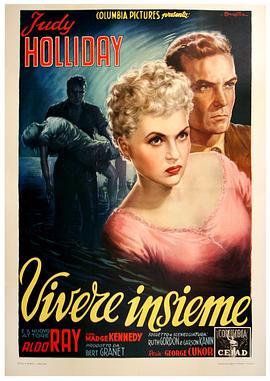
阿尔方斯妮(葛丽泰·嘉宝 Greta Garbo 饰)本是一位出生在偏僻小村庄里的穷苦姑娘,被贪婪的父亲卖给了商人,之后一路辗转颠沛流离来到了繁华的大都市巴黎。凭借着迷人的美貌和过人的智慧,阿尔方斯妮一举成为了巴黎上流社交圈内的交际花,整日生活在荼蘼的灯红酒绿之中,人们送给了她“茶花女”的美誉。纸醉金迷的生活迅速的消耗了阿尔方斯妮的健康,使她患上了肺病,善良的公爵因为阿尔方斯妮酷似她不久之前去世的女儿,而对她伸出了援手。
一次偶然中,阿尔方斯妮邂逅了作家小仲马(罗伯特·泰勒 Robert Taylor 饰),情不自禁的坠入了情网。然而,两人的经历和身份悬殊实在巨大,这段感情将注定不会有一个圆满的结局。
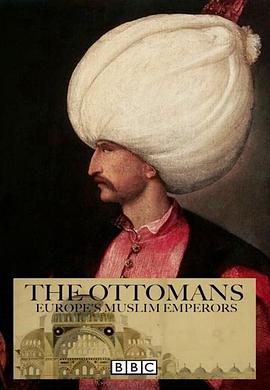
It was the world's last Islamic empire - a super-power of a million square miles. From its capital in Istanbul it matched the glories of Ancient Rome. And after six centuries in power it collapsed less than a hundred years ago. Rageh Omaar sets out to discover why the Ottomans have vanished from our understanding of the history of Europe. Why so few realise the importance of Ottoman history in today's Middle East. And why you have to know the Ottoman story to understand the roots of many of today's trouble spots from Palestine, Iraq and Israel to Libya, Syria, Egypt, Bosnia and Kosovo.






















![支配者的黄昏[电影解说]](https://viptulz.com/upload/vod/20230427-1/b5a9d463796b94f2d362d21cf487fb2e.jpg)







![继父[电影解说]](https://img.bfzypic.com/upload/vod/20250103-1/05c2fe382a80559c69905cd7698ec750.jpg)


![拜托不要见那个男人[电影解说]](https://img.lzzyimg.com/upload/vod/20231223-1/187cf0d62b2882e228859de813c951d3.jpg)







![小森林 夏秋篇[电影解说]](https://img.bfzypic.com/upload/vod/20240415-1/47f4ef0eee2a3fd67029a70214f8b29b.jpg)